
Imagine strolling through life with a perfectly sculpted nose, only to find it resembling a Picasso painting after an unexpected encounter with a doorframe. A broken nose isn’t just a physical injury; it’s a ticket to a world of swollen features and colorful bruises that could make even the toughest of warriors reconsider their life choices.
Understanding A Broken Nose
A broken nose signifies more than just a physical injury. This damage results from various incidents and leads to significant discomfort and visual changes.
Common Causes of Nose Fractures
Pivotal factors contribute to nose fractures. Sports injuries frequently occur during contact sports like football or hockey. Falls can easily result in a broken nose, especially on hard surfaces. Additionally, car accidents often lead to facial injuries, including broken noses. Physical altercations, too, cause significant nasal trauma. Recognizing these common causes helps in understanding incidents that may lead to nasal fractures.
Symptoms to Look For
Several symptoms signal a broken nose. Swelling often occurs shortly after the injury, leading to increased discomfort. Bruising around the nose and eyes typically follows, known as raccoon eyes. Nosebleeds are common in such injuries and may be persistent. Breathing difficulties arise due to obstruction or swelling in the nasal passages. If any of these symptoms present after an incident, it’s crucial to seek medical attention promptly.
Visual Indicators of A Broken Nose
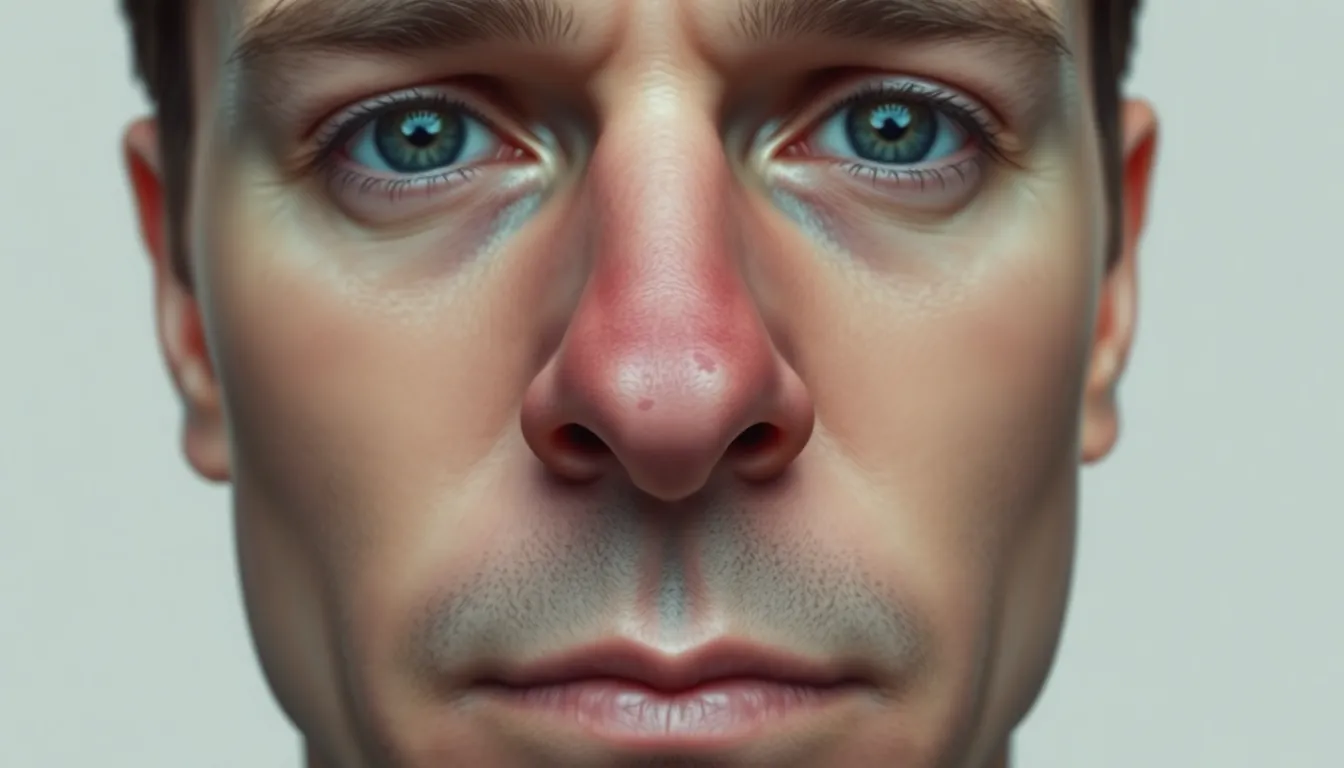
Recognizing a broken nose relies on specific visual indicators. Common symptoms include swelling and bruising, alongside apparent deformities.
Swelling and Bruising
Swelling occurs rapidly after a nose injury. This symptom can create noticeable puffiness around the nasal area. Bruising often accompanies the swelling, visibly darkening the skin. The phenomenon known as raccoon eyes may develop, where bruising extends around the eyes. Injuries from contact sports or falls typically lead to these signs. An increase in swelling happens within the first 24 hours, potentially causing significant discomfort and altered appearance. Immediate observation of these symptoms aids in identifying a nose fracture.
Deformity of the Nose
Deformity is another critical indicator of a broken nose. Misalignment can result from fractures, making the nose appear crooked or twisted. A visible bump might form where the bone has been displaced. This irregularity distinguishes fractures from minor injuries. If trauma causes visible disfigurement, the likelihood of a fracture increases. In certain cases, even subtle changes in shape warrant medical evaluation. Prompt attention to deformities ensures appropriate treatment and care.
Diagnostic Methods
Identifying a broken nose requires careful assessment through various methods. Physicians rely on both physical examinations and imaging tests to confirm the diagnosis.
Physical Examination
A thorough physical examination is crucial for diagnosing a broken nose. Physicians assess visible signs such as swelling, bruising, and deformity. They evaluate the patient’s ability to breathe through the nostrils, noting any obstructions. Additional examination may involve palpation of the nasal area to identify tenderness or instabilities. Doctors also inquire about the incident leading to the injury, seeking context to understand the severity. This process ensures accurate identification of nasal fractures and associated issues.
Imaging Tests
Imaging tests play a significant role in diagnosing a broken nose. X-rays are commonly utilized to visualize the bone structure and identify fractures. A CT scan may be recommended for detailed images, especially if complications are suspected. Observing the nasal passages and surrounding facial bones through these scans helps determine the extent of the injury. Medical professionals rely on imaging findings to develop appropriate treatment plans.
Treatment Options
Addressing a broken nose involves both home care and professional medical interventions. Immediate and appropriate treatment can significantly alleviate symptoms and promote healing.
Home Care Remedies
Resting and applying ice helps reduce swelling. He or she can wrap ice in a cloth, placing it on the injury for 15 to 20 minutes every hour. Elevating the head during sleep minimizes swelling by improving blood circulation. Over-the-counter pain relievers like acetaminophen or ibuprofen provide relief from discomfort. Staying hydrated supports overall healing and keeps nasal passages moist. Avoiding strenuous activities helps prevent further injury and promotes rest.
Medical Interventions
Medical evaluation is crucial for serious fractures. Physicians may conduct physical exams and order imaging tests, like X-rays, to assess the extent of the injury. Realigning the bones through a procedure known as reduction may be necessary for severely displaced fractures. In some cases, surgery may be recommended to correct deformities or repair damage. Prescribing antibiotics may occur if there’s a risk of infection due to damaged tissue. Regular follow-up appointments ensure proper healing and address any lingering issues.
A broken nose can be a painful experience with both physical and emotional impacts. Understanding its visual signs and symptoms helps in identifying the injury early. From swelling and bruising to potential deformities, recognizing these indicators is crucial for seeking timely medical attention. Proper diagnosis and treatment can significantly affect recovery and overall well-being. If faced with any symptoms of a broken nose, it’s essential to consult a healthcare professional to ensure the best possible outcome. Taking proactive steps can lead to effective healing and restore confidence in one’s appearance.


