
Rhythmic gymnastics combines the grace of dance with the precision of sport, captivating audiences around the world. This uniquely mesmerizing discipline involves choreographed routines performed with various handheld apparatuses like ribbons, hoops, and balls. As the sport continues to grow in popularity and sophistication, recent competitions have brought forward thrilling performances and breakout stars. In this text, we investigate into the latest developments in rhythmic gymnastics, from recent competitions to what makes this sport so captivating for fans and athletes alike.
Overview of Rhythmic Gymnastics
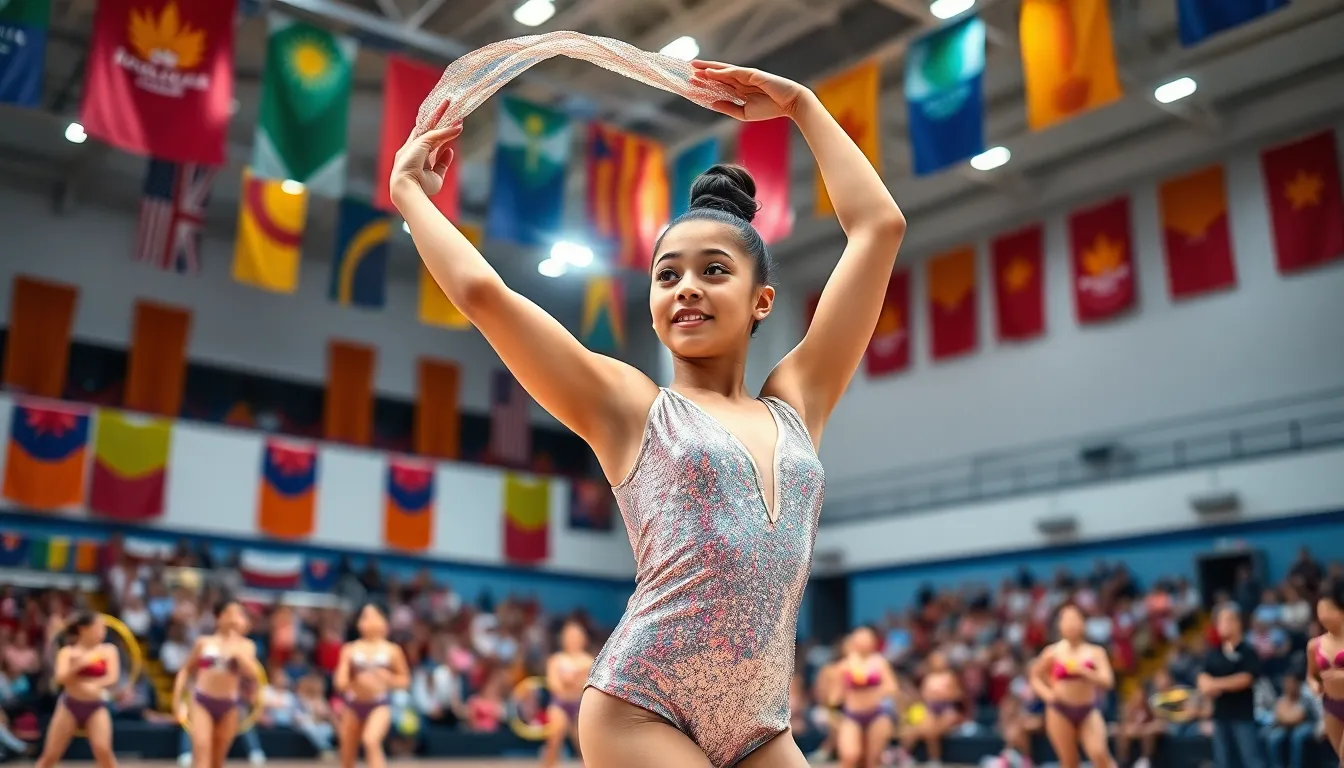
Rhythmic gymnastics, a sport characterized by its combination of ballet, gymnastics, and apparatus manipulation, is governed by the International Gymnastics Federation (FIG). This sport is unique as it incorporates elements of artistic presentation alongside athletic prowess. Competitors perform routines either individually or in groups, showcasing their skills in dancing alongside the use of ribbons, hoops, balls, scarves, and clubs.
These routines are judged based on various criteria, including difficulty, execution, and artistic impression, making the evaluation process both precise and subjective. Athletes must possess not only physical strength and flexibility but also an artistic flair to engage the audience effectively. Although rhythmic gymnastics is often overshadowed by its artistic counterpart, it offers an exciting twist that appeals to a broad range of spectators.
Recent Competitions and Highlights
The rhythmic gymnastics calendar has been buzzing with various competitions showcasing the sport’s top talents. Recently, the World Championships were held in Sofia, Bulgaria, drawing attention from fans and media alike. Notable performances included the stunning routines by the reigning world champion, Dina Averina, who has continuously set the benchmark for excellence in the sport.
Another highlight was the European Championships, where several athletes delivered captivating performances that not only dazzled the audience but also pushed the boundaries of what is technically possible in the sport. The emergence of new talents, such as Israel’s Linoy Ashram, who recently won a gold medal, signifies a shift in competitive dynamics, bringing fresh energy and style to rhythmic gymnastics.
Live streaming and social media coverage have played a crucial role in boosting the visibility of these events, allowing fans worldwide to engage with the sport and its rising stars.
Key Athletes to Watch
Identifying key athletes in rhythmic gymnastics is essential for anyone looking to stay updated on the sport.
- Dina Averina
The Russian gymnast has been a dominant force in the sport for several years, celebrated for her flawless technique and multifaceted routines. Her performance consistency, paired with an artistic edge, positions her as a favorite in upcoming competitions.
- Linoy Ashram
Emerging from Israel, Ashram has made waves globally and is known for her innovative choreography and strong presence on the mat. Her recent achievements indicate she is a competitor to watch closely.
- s
Elina Tsurkova has captivated fans with her breathtaking performances and unique interpretations of music. Her ability to blend athleticism and artistry makes her a standout competitor on the international stage.
By keeping an eye on these athletes, observers can gain insight into the ever-evolving landscape of rhythmic gymnastics.
Techniques and Training Insights
Training for rhythmic gymnastics demands a blend of physical conditioning, technical skill, and artistic development. Athletes undergo rigorous training schedules to hone their skills, often practicing several hours a day.
Key Training Components:
- Flexibility and Strength: Core stability and overall body strength are essential. Many athletes engage in supplemental training such as ballet and strength conditioning to enhance their performance.
- Apparatus Handling: Each apparatus requires distinct techniques. For instance, ribbon routines entail fluid movements that necessitate coordination, while hoop routines require precision and rhythm.
- Choreography Development: Athletes often collaborate with choreographers to create unique routines that reflect their style while adhering to FIG regulations. This partnership can significantly influence their competitive edge.
For budding rhythmic gymnasts, it’s critical to focus on foundational skills and progressively challenge themselves to incorporate more complex elements.
Trends in Rhythmic Gymnastics
As rhythmic gymnastics evolves, several trends are shaping the future of the sport.
- Increased Artistic Expression: Athletes are pushing the limits of artistic interpretation. Routines are becoming more expressive, incorporating elements from various dance styles and music genres, appealing to a broader audience.
- Use of Technology: Advances in technology are impacting both training and competitions. High-definition video replays allow for better adjudication, while social media platforms provide exposure to athletes and events, engaging new fans.
- Sustainability Efforts: There is a growing push towards sustainability in sports, including rhythmic gymnastics. This includes eco-friendly materials for apparatuses and costumes. For instance, some athletes are exploring biodegradable options for ribbons.
These trends serve to elevate the sport’s appeal, emphasizing creativity, innovation, and cultural dialogue.
The Future of Rhythmic Gymnastics
Looking forward, rhythmic gymnastics is poised for significant growth, both in terms of popularity and competitive standards. The upcoming Olympic Games promise to highlight the sport on a global stage, presenting an unparalleled opportunity for athletes and fans alike.
Also, as younger generations become more involved, there is potential for increased diversity within the sport, fostering a culturally rich environment. With international participation growing, associations worldwide are taking steps to promote grassroots programs, ensuring the sport’s longevity and continual evolution.
Finally, technological advancements could reshape coaching and training methodologies, utilizing virtual reality and data analytics to optimize performance. Ensuring rhythmic gymnastics remains relevant and engaging for fans and participants will likely drive its trajectory in the coming years.
Conclusion
Rhythmic gymnastics stands as a vibrant and evolving sport, merging athletic excellence with artistic expression. As athletes continue to push boundaries and captivate audiences, the recent competitions highlight not only individual talents but also the communal spirit of the sport. With an exciting mix of tradition and innovation, rhythmic gymnastics promises to not only maintain its place in the sporting world but to blossom as it embraces new trends and technological advancements. For fans, this journey will undoubtedly offer exhilarating moments and inspiring performances in the years to come.