
In a world where video games are often seen as the domain of the young and restless, the idea of war games for elders might seem as unusual as a cat on a skateboard. Yet, when you peel back the layers, it becomes clear that these games can be a thrilling adventure for seniors, not just a means of passing the time. Imagine herding your friends into a cozy living room, armed with virtual artillery and strategic mind games. It’s more than just fun: it’s a doorway to new friendships and cognitive stimulation. Let’s jump into why war games could be the next big hit among the golden oldies.
Understanding the Appeal of War Games for Seniors
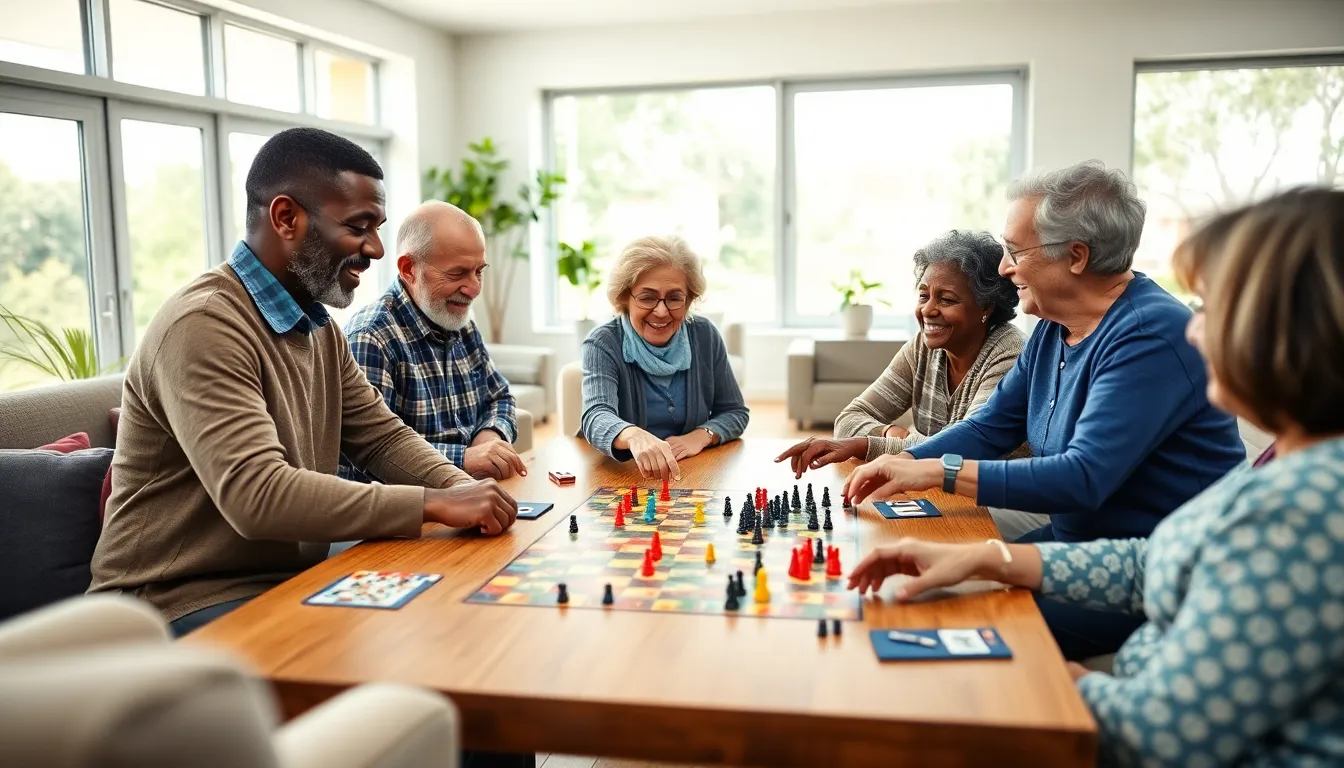
War games, with their strategic depth and immersive narratives, offer a unique escape. For seniors, these games can evoke nostalgia, connecting them with memories of youthful days spent engaging in competitive battles. Think of it as a way to relive glory days or discover new alliances and adventures. Seniors often find satisfaction in solving complex puzzles and piecing together strategies, creating an engaging experience that harkens back to their bygone years. It’s not just about war: it’s about camaraderie, competition, and creating shared moments with friends and family. Also, they provide a subtle clash of nostalgia and new-age entertainment, making it a compelling option for older adults looking for mental stimulation.
The social dimension is another significant factor. Many war games require teamwork and communication, which naturally fosters connections between players. In a world where isolation can be a significant issue for many older adults, engaging in these games can create a sense of belonging.
So, what makes these games so appealing? It’s a cocktail of nostalgia, strategy, and social interaction that shakes up the standard notion of gaming for seniors.
Cognitive Benefits of Playing War Games
Delving into the realm of cognition, engaging in war games brings a smorgasbord of mental benefits. These games are more than just a fun pastime: they challenge players to think critically and plan ahead. Studies have shown that strategy games sharpen cognitive skills, improving memory and problem-solving abilities. As players navigate through various scenarios, they must remember past actions, adapt strategies, and predict opponents’ moves, all of which stimulate brain activity.
Besides, these games encourage players to make decisions quickly, enhancing their ability to think and act under pressure. Think about it, when was the last time a game made someone feel like a general drafted into battle? That’s because every choice counts, keeping minds active and focused. Engaging in mentally stimulating activities is essential for maintaining cognitive health as we age, making war games a great addition to any elder’s routine. In short, war games do more than entertain: they fortify the mental faculties one often strives to nurture into their golden years.
Types of War Games Suitable for Elders
Now, not all war games are created equal, especially when it comes to engaging seniors. For a fun and inclusive experience, choose games that strike a balance between strategy and accessibility. Here are a few types worth considering:
- Board Games: Classics like Risk and Settlers of Catan are rich in strategy yet simple enough to grasp quickly. The tactile nature of board games can also bring back fond memories.
- Card Games: Titles like The General’s Daughter or other themed card sets combine strategy with sometimes needed lightheartedness, making them great for casual competition.
- Video Games: For those more inclined towards digital gaming, titles like Company of Heroes allow for both solo and collaborative gameplay. Look for games with adjustable difficulty levels to suit varying skills.
- Role-Playing Games: More narrative-driven games, often with a community aspect, can engage seniors in creative storytelling, putting them in roles where strategy is essential. Think Dungeons & Dragons at a simpler scale.
Choosing the right game can create excitement and engagement, eventually making the experience enjoyable and enriching.
Tips for Introducing War Games to Seniors
Introducing war games to seniors doesn’t have to resemble training a cat to swim. With a little finesse, you can ease them into this world of strategy. Here’s how:
- Start Simple: Begin with less complex games to avoid overwhelming them. Gradually introduce deep strategy games as they become comfortable.
- Create a Comfortable Environment: Encourage them to play in a well-lit and relaxed space, think cozy couches and snacks. A friendly ambiance makes all the difference.
- Encourage Group Play: Gather a few friends or family members for a game night. The more, the merrier. Social interaction boosts enjoyment and reduces any initial apprehension.
- Share the Victory: Celebrate small wins to build confidence. Whether it’s claiming a territory or outsmarting an opponent, spotlighting achievements keeps the mood light.
- Be Patient: The learning curve might be steep at first. Being supportive can make all the difference in fostering a positive experience.
Creating a Social Environment for Gaming
Creating a vibrant social environment around war gaming can enhance interaction and bonding among seniors. Host regular game nights with light refreshments. Games are more enjoyable when they come with a side of laughter and snacks, right?
Consider rotating different games to keep things interesting and prevent monotony. Or, try themed nights where everyone dresses according to the game they’ll play, imagine everyone in WWII attire while battling in a strategic board game. Using online platforms can also help connect seniors with friends over long distances, ensuring they remain engaged even when physically apart.
Another great option is to encourage local community centers to host war game events, combining strategy and fun while promoting social inclusion. Team-building exercises that come from gameplay can enhance friendships and strengthen community ties, which is especially important as friendships can sometimes dwindle with age.
Elderly-Friendly Game Variations and Modifications
While traditional war games can be incredibly engaging, adapting them for seniors can make them even more accessible and enjoyable. Here are some ways to modify gameplay for elder players:
- Simplify the Rules: Streamline intricate rules into manageable chunks to help understanding. Consider creating a cheat sheet that summarizes key points.
- Adjustment of Game Pieces: Use larger pieces or cards to aid visibility. This minor adjustment can significantly enhance the experience for those with diminished eyesight.
- Flexible Play Times: Allow for more breaks or modify the length of gameplay sessions to match stamina levels. It’s better to have enjoyable shorter games than lengthy ones that can cause fatigue.
- Introduce Collaborative Play: Team older players with younger relatives or friends, creating an opportunity for multi-generational bonding while also allowing them to learn from each other.
- Focus on Story-Driven Elements: When customizing RPGs, emphasize narrative flow over strict rules, allowing players to engage without the stress of competition.


